


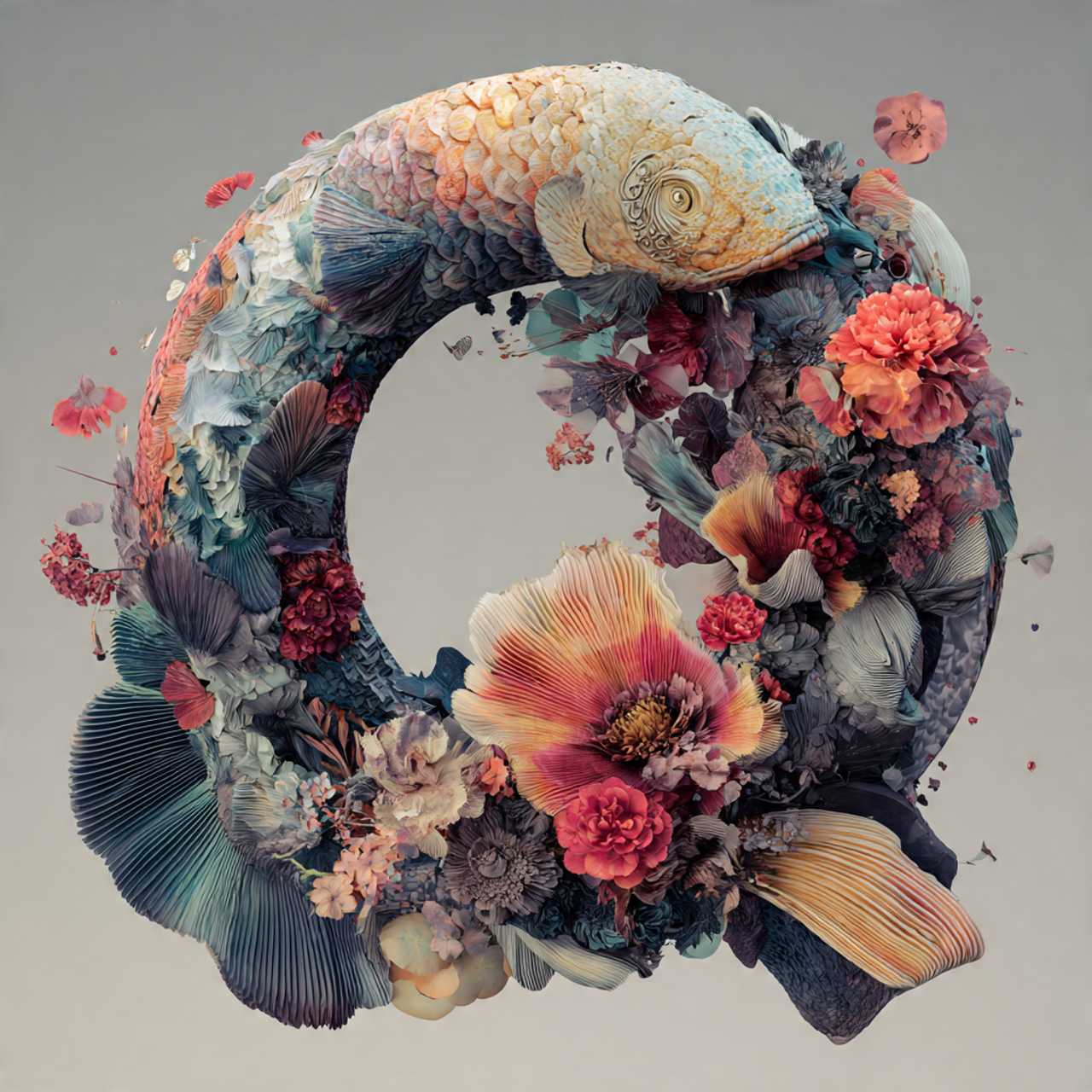
In today’s rapidly evolving creative world, new terms are emerging to describe the next generation of innovators—people who don’t fit into traditional artistic labels. One of these modern terms is Quartist. Unlike classical artists who often specialize in a single medium such as painting, sculpture, or poetry, a Quartist moves fluidly across multiple fields, blending technologies, disciplines, and creative techniques.
A quartist is a multi-talented creator who combines quality, artistry, and versatility. The term represents far more than just artistic skill—it reflects a philosophy of originality, adaptability, and purposeful creation. As the world shifts toward digital platforms, virtual environments, and hybrid expressions, the role of the quartist becomes increasingly relevant.
This article explores the meaning, characteristics, significance, and growing influence of quartists in today’s creative landscape.
What Does the Term “Quartist” Mean?
The word quartist blends three core ideas:
- Quality
- Artistry
- Versatility
These three values define the work of a quartist. Unlike traditional artists who often develop expertise in one discipline, quartists embrace multiple creative mediums—including digital tools, physical materials, virtual platforms, sound design, writing, and more.
A quartist’s work may include:
- Digital art
- Graphic design
- Illustrations
- Virtual reality (VR) experiences
- Sculptures or physical installations
- Animation or video
- Photography
- Mixed-media projects
- Interactive storytelling
- Creative technology
Because of this broad reach, quartists represent a new category of creators for the 21st century.
Quartist vs. Traditional Artist: What’s the Difference?
While traditional artists are defined by their discipline (painter, sculptor, photographer), quartists are defined by their approach.
- Scope of Work
- Traditional Artist: One primary medium
- Quartist: Multiple mediums, digital + physical + virtual
- Creative Identity
- Traditional Artist: Known for a specific style
- Quartist: Known for versatility and experimentation
- Tools and Platforms
- Traditional Artist: Manual tools or classic materials
- Quartist: Uses both traditional and modern digital tools
- Purpose
- Traditional Artist: Focus on mastery of one form
- Quartist: Focus on innovation, adaptation, and storytelling across formats
- Audience Interaction
- Traditional Artist: Mostly static artwork
- Quartist: Often creates interactive or immersive experiences
The quartist is not a replacement for traditional artists, but rather an evolution that responds to the digital age.
Core Traits of a Quartist
Although quartists may come from different backgrounds, they typically share several common characteristics. These traits define how they create and how they interact with the world.
- Versatility
This is the heart of the quartist identity. A quartist thrives in multiple mediums—adapting their skills to new trends, technologies, and tools. They are not limited by format; instead, they expand their work through exploration.
- Creativity and Originality
Quartists push boundaries. They experiment with ideas that others may not consider, blending disciplines in unexpected ways. Their work often feels fresh, imaginative, and deeply personal.
- High Standards of Quality
The “qua” in quartist suggests quality, meaning their work—regardless of form—meets a high standard. They aim for excellence even when experimenting.
- Adaptability
Technology and culture change quickly. Quartists adapt just as fast. Whether the world is shifting toward virtual reality, AI-generated elements, or new art platforms, quartists embrace and incorporate these changes.
- Purpose-Driven Creation
Quartists are not just creators—they are communicators. Their work often carries meaning, messages, or social commentary. Purpose guides their artistic choices.
Where Do Quartists Work?
Because quartists are multi-disciplinary, they contribute to a wide range of industries. You can find quartists working in:
- Digital Media
- Digital illustration
- Graphic design
- Web design
- Social media visuals
- Motion graphics
- Virtual and Interactive Spaces
- VR and AR art
- Metaverse design
- Interactive installations
- Physical Art
- Mixed-media sculptures
- Murals
- Paintings with digital enhancement
- Entertainment
- Animation
- Game design
- Film and visual effects
- Branding and Marketing
- Creative direction
- Brand identity development
- Advertising visuals
- Education and Workshops
Many quartists teach others how to explore creativity in multiple forms.
The Rise of Quartists in the Digital Age
Technology has drastically changed how people create, share, and experience art. This shift has opened new opportunities for multi-skilled creators.
Here’s why quartists are becoming increasingly important:
- The Blending of Digital and Physical Worlds
Art no longer lives only in galleries. Today, it appears in:
- Social media feeds
- Virtual exhibitions
- Augmented-reality apps
- NFTs and digital marketplaces
Quartists excel in both physical and digital environments.
- The Demand for Multi-Skilled Professionals
Businesses look for creators who can:
- Design graphics
- Create videos
- Develop digital content
- Work across platforms
Quartists naturally fit this demand.
- The Growth of the Metaverse
As virtual worlds expand, quartists play a central role in designing:
- Virtual art
- Virtual spaces
- Interactive experiences
- The Popularity of Mixed Media
Modern audiences enjoy creative experiences that combine multiple elements—visuals, audio, motion, and interaction. Quartists specialize in exactly this.
Why the Quartist Approach Matters?
The quartist philosophy is not only about skill—it is about mindset. Here’s why it matters:
- Encourages Innovation
Quartists explore ideas others may avoid, contributing new forms of art and storytelling.
- Breaks Limiting Creative Labels
Artists no longer need to fit inside traditional boxes. Quartists represent freedom.
- Supports Personal Growth
By exploring multiple mediums, quartists constantly learn and evolve.
- Enhances Problem-Solving
Working across formats strengthens creativity, flexibility, and strategic thinking.
- Connects With Modern Audiences
People today consume art in many formats—quartists meet them wherever they are.
Examples of Quartist Work
Although the term is modern, quartists can be seen throughout creative history. Modern quartists may produce:
- A digital illustration combined with hand-painted textures
- A sculpture enhanced with projection mapping
- A VR art experience blended with storytelling
- A film featuring animated and live-action elements
- A mixed-media gallery show that includes photography, sound, and digital screens
Their creativity has no boundaries.
The Future of Quartists
As technology continues to grow, quartists will become even more influential. Future quartists may create:
- Fully immersive holographic art
- AI-assisted interactive installations
- Virtual reality museums
- Wearable digital-physical hybrid art
- Smart sculptures that move or react to viewers
The world of creativity is expanding, and quartists will be the leaders of this new artistic frontier.
Conclusion
A quartist is more than a multi-skilled artist—they are a visionary. By embracing quality, artistry, and versatility, quartists break traditional boundaries and redefine what creative expression can be. They blend digital tools with physical materials, imagination with technology, and purpose with innovation.
