


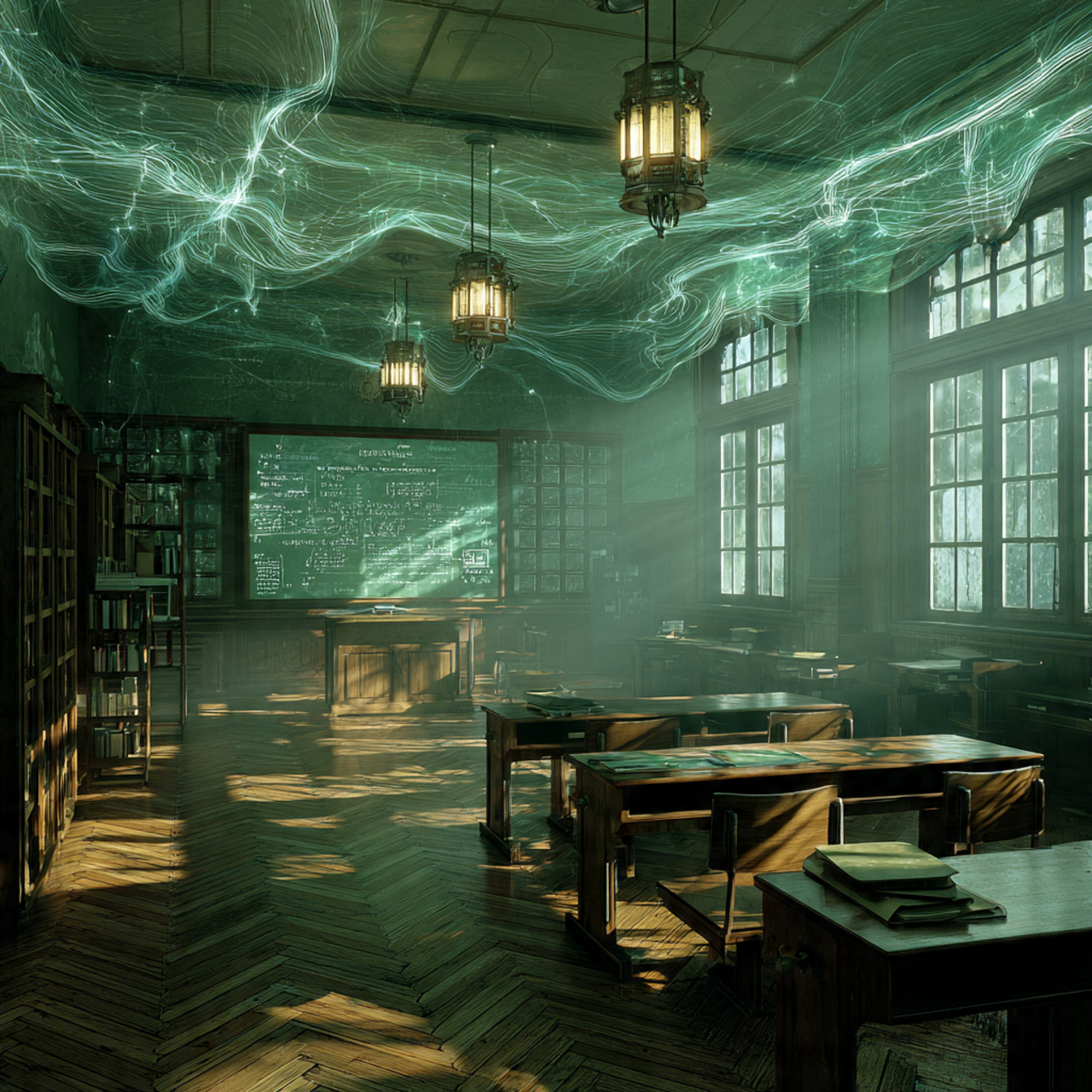
In an era where the world is evolving faster than ever before, education systems across the globe are struggling to keep up. Traditional classrooms, rigid curricula, and one-size-fits-all teaching approaches no longer meet the needs of today’s learners. This is where Nova Scola steps in—a concept that is far more than the name of a school. It represents a complete educational philosophy, built around personalized learning, adaptability, and preparing students to thrive in real-world environments.
Nova Scola’s approach reflects a powerful shift in how society views education. Instead of focusing solely on memorization and standardized outcomes, it aims to empower students to think critically, solve problems creatively, and adapt to diverse challenges. This article explores the meaning, core principles, benefits, and long-term impact of Nova Scola as an educational model.
Understanding Nova Scola: A New Vision for Learning
At its core, Nova Scola means “new school.” But this doesn’t simply refer to a physical institution. It symbolizes a new way of thinking, rooted in innovation and student-centered learning. Nova Scola challenges outdated educational traditions by introducing flexible systems that appreciate each learner’s individual pace, interests, and strengths.
This philosophy embraces modern technologies, collaborative learning spaces, and progressive teaching strategies. Its goal is not just to educate—but to transform how students perceive learning itself.
Core Principles of the Nova Scola Philosophy
Nova Scola is built on several interconnected pillars that shape its identity and purpose. Each principle redefines how education should be delivered in the 21st century.
- Personalized Learning
Traditional classrooms treat all students as if they learn the same way. Nova Scola rejects this idea entirely. Instead, it promotes:
- Tailored learning pathways
- Lessons built around students’ interests
- Flexible assessments
- Support based on individual strengths and weaknesses
Students learn at their own pace, reducing pressure while maximizing understanding.
- Adaptability and Flexibility
In a rapidly changing world, adaptability is essential. Nova Scola encourages:
- Dynamic classroom environments
- Continuous updates to curriculum
- Integration of new technologies
- Responsive teaching methods
This ensures learning stays relevant, practical, and aligned with real-world expectations.
- Real-World Problem Solving
Modern jobs require more than academic knowledge—they require creativity, teamwork, and resilience. Nova Scola incorporates:
- Project-based learning
- Hands-on experiences
- Simulations and case studies
- Community-based projects
Students graduate not only with strong academic foundations but with the confidence to tackle real-life challenges.
- Emotional and Social Development
Education is not just intellectual—it’s emotional. Nova Scola focuses on:
- Emotional intelligence
- Confidence building
- Communication skills
- Healthy social interactions
This creates well-rounded individuals who can thrive in both personal and professional environments.
- Technology Integration
The Nova Scola model embraces digital tools as partners in education, not distractions. These include:
- Smart classrooms
- Adaptive learning software
- Online collaboration platforms
- Digital portfolios
By using technology wisely, students learn digital literacy alongside traditional subjects.
Why Nova Scola Matters in Today’s World?
The world is undergoing massive transformations driven by technology, globalization, and new ways of working. Traditional education often struggles to keep up, leaving students unprepared for modern demands.
Here’s why Nova Scola is gaining attention globally:
- Prepares Students for Future Careers
Many future careers don’t exist yet. Nova Scola’s focus on adaptability and creativity helps students embrace uncertainty with confidence.
- Encourages Lifelong Learning
By shifting learning from memorization to exploration, students develop a natural curiosity—one that motivates them to learn throughout their lives.
- Bridges the Gap Between School and Reality
Real-world projects and hands-on learning make education more meaningful, practical, and applicable outside the classroom.
- Supports Mental and Emotional Well-Being
Personalized learning reduces academic pressure. Emotional support systems ensure students feel heard, valued, and empowered.
How Nova Scola Changes the Role of Teachers?
Under the Nova Scola model, teachers are no longer just lecturers. Instead, they become:
- Facilitators who guide learning
- Mentors who support emotional development
- Innovators who design creative learning experiences
- Collaborators who work closely with students and parents
This shift benefits both teachers and learners by creating more engaging educational environments.
Classroom Environment in a Nova Scola Setting
A Nova Scola classroom looks and feels different from a traditional one. Instead of rows of desks and long lectures, you will find:
- Collaborative workstations
- Flexible seating
- Digital learning corners
- Interactive boards
- Spaces for discussion, creativity, and exploration
The environment encourages movement, teamwork, and hands-on learning.
Impact on Students: What Nova Scola Achieves
Students who learn in the Nova Scola system show improvements in several areas:
✔ Critical thinking and problem-solving
✔ Communication and teamwork skills
✔ Self-confidence and self-awareness
✔ Academic performance
✔ Creativity and innovation
✔ Preparedness for higher education and future careers
Most importantly, they gain a deeper understanding of themselves—their potential, passions, and goals.
Challenges and Considerations
Although Nova Scola offers countless benefits, there are challenges to overcome:
- High investment in training and technology
- Need for teacher development programs
- Resistance to change from traditional systems
- Requirement of strong leadership and planning
However, these challenges are manageable with the right vision and commitment.
The Future of Education Through Nova Scola
Nova Scola represents a powerful step toward transforming education. It proves that learning doesn’t have to be rigid or outdated. Instead, it can be dynamic, personalized, and inspiring.
As more schools adopt this philosophy, the world may see a new generation of students who are:
- Confident thinkers
- Skilled innovators
- Emotionally intelligent individuals
- Ready for global challenges
Nova Scola is not just a model—it’s a movement shaping the future of learning.
Conclusion
Nova Scola embodies the evolution of education in the modern era. With its emphasis on personalized learning, adaptability, emotional development, and real-world preparation, it represents a complete rethinking of what a school should be.
